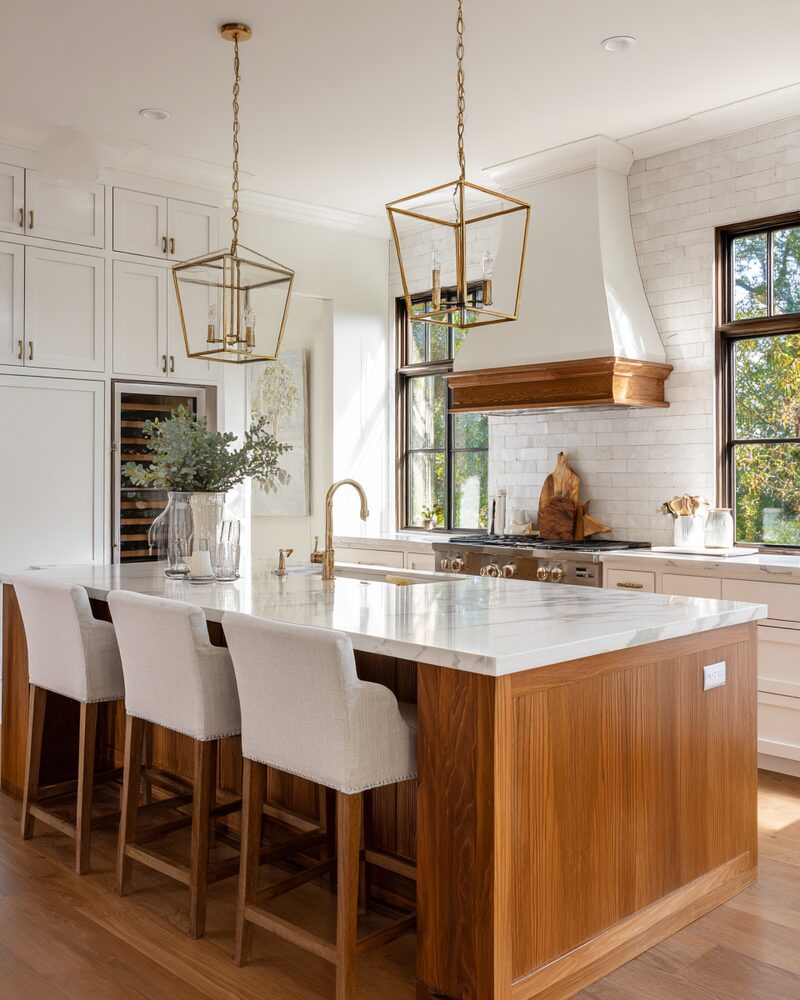
The real estate market in Northeast Atlanta is becoming less about square footage alone and more about how a home fits daily life. Buyers and sellers who pay attention to lifestyle-driven demand — commute times, school alignment, outdoor access, and flexible interior spaces — gain an advantage that remains relevant across changing markets. This post explains practical steps to buy or sell in Northeast Atlanta today while creating evergreen strategies that will still matter in years to come.
Current market realities are influencing decisions in predictable ways. Interest rate cycles, inventory levels, and demographic shifts affect timing and pricing, but the core preferences that shape value tend to persist. Families prioritize school zones and safe streets. Professionals want efficient commutes or easy access to MARTA and major corridors. Remote or hybrid workers seek quiet workspaces and reliable internet. Investors and move-down buyers look for low-maintenance exteriors and proximity to amenities. Understanding these priorities helps travelers through the market with clarity.
Start with neighborhood fit before you fixate on the house. Northeast Atlanta is a patchwork of distinct communities from Brookhaven and Dunwoody to Peachtree Corners, Johns Creek, Norcross, and Tucker. Each has different price curves, school reputations, walkability profiles, and development plans. Spend time mapping where your daily routines intersect with neighborhood attributes: commute corridors, favorite grocery and dining spots, parks and trails, and future transit or road projects.
Price and timing remain fundamental. For sellers, competitive pricing based on current comparable sales and local market pace brings more qualified traffic and shorter days on market. For buyers, focus on total cost of ownership: mortgage payment, property taxes, insurance, HOA dues, and potential renovation expense. In many Northeast Atlanta micro-markets, a slightly higher offer with clean terms can beat a lower offer with contingencies when inventory is limited.
Make the home present as the lifestyle buyers want. Sellers who highlight flexible spaces — a home office, a backyard retreat, or mudroom storage — convert browsers into buyers. Professional photography, concise property descriptions that call out commute times and school zones, and well-organized virtual tours extend reach to out-of-area buyers who often compete in this region. Small upgrades like fresh paint, updated lighting, and simple landscaping yield outsized returns when they reflect local preferences.
Buyers should prioritize inspections and contingency planning. In competitive micro-markets, aggressive offers are common, but protecting your investment with a thorough inspection and clear financing path is essential. Work with lenders who understand Northeast Atlanta timelines and with agents who know where inspection issues typically appear in older homes versus new construction.
For investors or those considering long-term value, look beyond today's trends to structural drivers: school performance trajectories, planned municipal infrastructure, and shifts in local employment centers. Properties near stable schools, anticipated transit stops, or planned mixed-use developments often appreciate predictably, even when short-term market cycles fluctuate.
Practical checklist for sellers
1. Price with local comps — Use neighborhood-level sales, not county averages.
2. Prepare the property — Clean, declutter, and stage to show how spaces can be used.
3. Market to lifestyle groups — Highlight commute times, school zones, proximity to parks and shopping.
4. Offer transparency — Consider a pre-listing inspection or clear disclosures to reduce buyer friction.
5. Be available for quick decisions — Speed matters when demand spikes.
Practical checklist for buyers
1. Define neighborhood nonnegotiables — Schools, commute time, walkability, or resale potential.
2. Get preapproved — Strengthen offers by locking a financing commitment early.
3. Bring an inspection budget — Factor in immediate repairs and longer-term maintenance.
4. Consider future uses — Room for a home office, expansion, or rental potential.
5. Lean on hyperlocal expertise — Local agents know which streets and subdivisions hold value best.
Whether you are buying your
