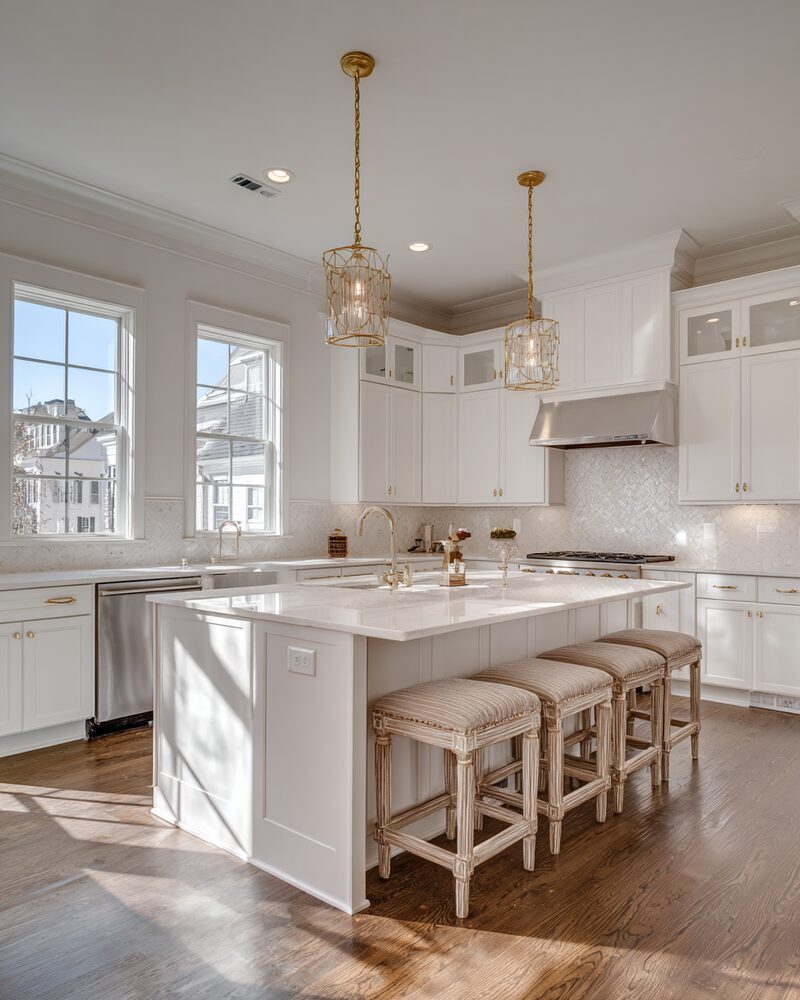
Northeast Atlanta continues to attract buyers and sellers with its blend of good schools, convenient commutes to major employment centers, and access to Lake Lanier and growing retail hubs. Whether you are preparing to list your home or hunting for the right neighborhood, paying attention to local value signals will help you make decisions that stand the test of time. This post breaks down the most reliable indicators, practical steps, and evergreen strategies that matter for Northeast Atlanta real estate now and for years to come.
What local value signals really mean
A value signal is any piece of local information that consistently influences what buyers will pay and what sellers can expect to receive. Common signals include price per square foot trends, school zone demand, new commercial or infrastructure projects, inventory levels, and recent sales velocity. In Northeast Atlanta these signals can shift fast between neighborhoods like Suwanee, Sugar Hill, Buford, Johns Creek, Duluth, and Dacula, so tracking them at the neighborhood level matters more than broad county averages.
Actionable signals for sellers
- Price per square foot and recent sold comps: Set your list price using the most recent closed sales in your immediate neighborhood, not just the broader zip code. Small streets can have different demand curves.
- Time on market and showings-per-week: If comparable listings sit longer or get fewer showings, adjust price or presentation quickly.
- School boundary changes and rezoning chatter: Parents will pay more to secure a place in a higher rated school zone. If your elementary or high school is trending up in ratings, emphasize that in your marketing.
- Micro-amenity proximity: Buyers increasingly value short drives to parks, trailheads, grocery stores, and coffee shops. Map these on your listing and highlight walking or short-drive times.
- Simple upgrades that convert: Focus on paint, lighting, decluttering, and curb appeal. Kitchen and bathroom cosmetic updates often yield the best short-term returns in our market.
Actionable signals for buyers
- Preapproval and offer readiness: Competitive offers still win the best homes. Get mortgage preapproval and understand local appraisal expectations before you write an offer.
- Trend lines in inventory and new listings: Sudden jumps in new listings increase negotiating leverage. If inventory tightens, be prepared to act faster or adjust your bid strategy.
- Commuting patterns and lane projects: Watch for planned highway improvements or new transit options that will shorten commutes to Atlanta or major employment nodes. These projects can lift values over time.
- Inspection and repair commitments: Know common local issues like aging roofs, septic vs municipal connections, and stormwater concerns. Use targeted inspection contingencies rather than blanket requests to keep offers strong.
- Long term resale drivers: Even if you plan to stay, think about what will appeal to the next buyer. Bedrooms, garage space, and flexible living areas are consistently in demand.
Neighborhood intelligence that pays off
Successful buyers and sellers treat neighborhoods as the primary unit of analysis. Pull neighborhood-level statistics: days on market, list-to-sale price ratio, year over year price change, and the share of sales that were bank owned or investor purchases. Cross-check this with local school performance data, planned commercial projects like new retail centers, and small but meaningful amenities such as dog parks and bike lanes. Apply those findings to your pricing, offer terms, and renovation priorities.
Timing and seasonal considerations
Northeast Atlanta follows seasonal rhythms: spring traditionally brings more listings and more buyers, while late fall and winter can offer less competition but smaller buyer pools. Match your strategy to seasonal conditions. Sellers may get higher showings and more offers in spring; buyers who search in slower months can sometimes find motivated sellers or negotiate better terms. Always layer in interest rate expectations and broader economic signals when planning your move.
Renovation ROI and staging for lasting appeal
Focus on improvements with predictable returns: fresh paint, updated lighting, modern hardware, and minor kitchen refreshes. Avoid over-customization that limits broader buyer appeal. Staging helps buyers visualize lifestyle and can meaningfully increase perceived value, turning online views into showings and offers.
A simple roadmap both buyers and sellers can follow
1. Gather neighborhood comps and recent trends specific to your street or subdivision.
2. Get a local inspection or pre-listing inspection to identify issues early.
3. Prioritize low-cost, high-impact updates based on buyer preferences in your neighborhood.
4. Work with a local agent who tracks showings, days on market, and buyer feedback daily.
5. Monitor school boundary news and transportation projects that could affect demand.
Local expertise changes outcomes in Northeast Atlanta. If you are thinking about buying or selling and want
