Northeast Atlanta is a patchwork of neighborhoods, school districts, and commuting patterns that quietly influence buyer behavior. Whether you are getting ready to list your home or hunting for the right one, paying attention to small, repeatable patterns at the street and neighborhood level will give you an immediate advantage in price and timing.
What local patterns matter most right now
Buyers in 2026 still prioritize fundamentals, but they read the market through local signals. Look for these pocket patterns when evaluating a property or setting a price: recent comparable sales within the same school zone, homes with similar ownership timelines, visible exterior maintenance on adjacent properties, and the proximity of pocket amenities like small parks, walking trails, or locally owned restaurants. These details often move offers more than a list of high-end finishes.
How pricing should reflect neighborhood rhythm
Pricing is not only a math equation, it is a conversation between the seller and a focused set of buyers. In Northeast Atlanta, homes priced competitively to current comps and minor neighborhood patterns will attract multiple showings in the first two weeks, which is the most important window. If similar homes on the same block are selling faster, consider a price that meets buyer expectations rather than trying to push the market up after limited interest.
Simple prep items that consistently help sellers
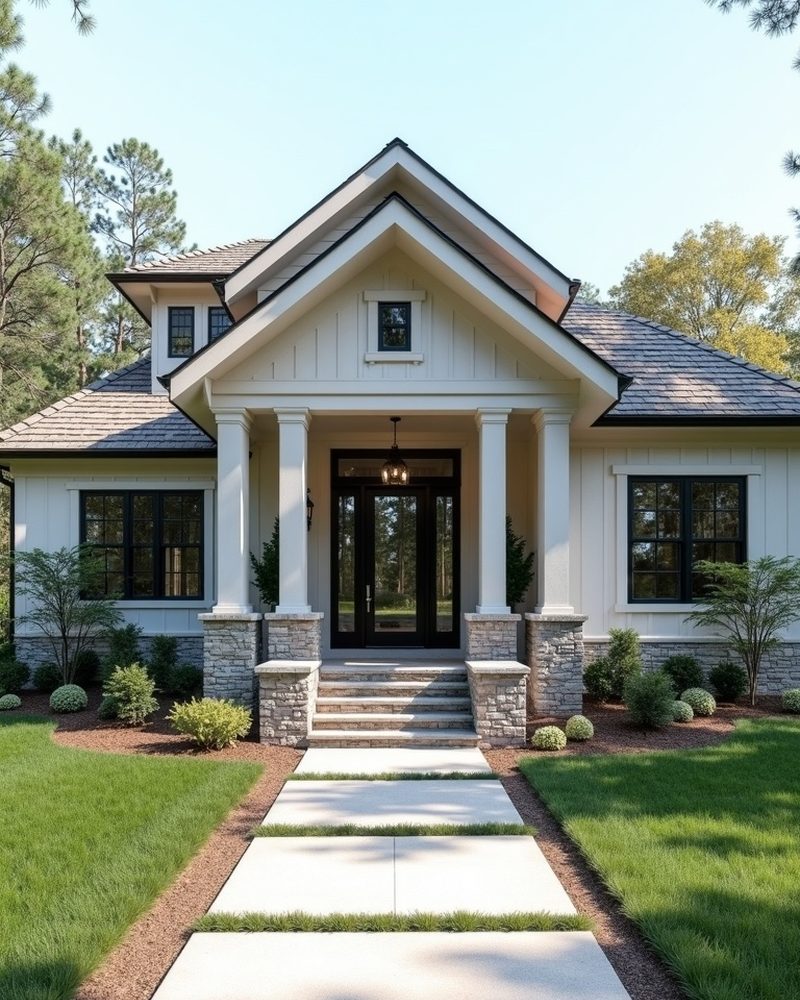
Sellers gain ground with focused improvements that buyers notice in the first 30 seconds: a clean, well-lit entry, neutral paint, refreshed landscaping, and obvious mechanical reliability such as recent HVAC service records. Small, inexpensive repairs that remove buyer doubt typically yield stronger offers than larger cosmetic upgrades that do not address buyer uncertainty.
What buyers should look for beyond the postcard view
When touring homes, buyers should scan for micro-details that indicate long-term value: streetlight placement and traffic patterns during commute hours, the condition of nearby sidewalks and curbs, and whether neighbors take care of driveways and roofs. Also verify the practical aspects that affect resale and budget, such as HOA restrictions, floodplain status, and planned road or development projects in county planning documents.
Timing your move to match seasonal and microseasonal windows
Northeast Atlanta has predictable seasonal rhythms, but there are smaller micro-windows inside those seasons. For sellers, listing right before school enrollment deadlines or before a new neighborhood amenity opens can attract families making quick relocation decisions. For buyers, weekends after local open houses reveal which properties are generating sustained interest and which may allow for negotiation.
Negotiation tactics that work locally
Effective negotiations in this market combine data and empathy. Use recent sales with similar days-on-market as the baseline, and be ready to justify price changes with concrete repair estimates or inspection results. Buyers who make offers that respect seller timing and contingencies often succeed where lowball offers fail. Sellers who accommodate a reasonable inspection timeline will keep more buyers in play.
Preparing buyers for inspection and appraisal realities
Inspections commonly reveal deferred maintenance rather than fatal flaws. Buyers should budget for modest repairs, and sellers should consider pre-inspection to avoid surprises. Appraisals follow comparables closely in neighborhoods where recent sales are abundant. Where comps are thin, provide the appraiser with neighborhood context, recent upgrades, and a list of local comparables with explanations.
School zones, commutes, and amenity clusters as long term value drivers
Over time, school quality, realistic commute times, and nearby amenity clusters consistently influence resale. Homes that situate buyers near reliable schools, reasonable access to major corridors, and small commercial clusters tend to hold value better. When comparing properties, rank these factors by your personal priorities and by how the neighborhood has historically traded in the local market.
Common mistakes sellers and buyers still make
Sellers often overestimate the impact of trendy finishes and underestimate curb impressions. Buyers sometimes focus on staged perfection rather than structural and location fundamentals. A balanced approach prioritizing both immediate aesthetics and practical checks will beat either extreme.
If you want a neighborhood-specific plan that applies these patterns to your street or search, I can provide recent comp analysis, staging suggestions tailored to your block, or a buyer strategy that targets the most likely sellers. Call me, Kanika Mohan, at 470-259-3827 or visit
kanikasells.com to see neighborhood reports and current listings in Northeast Atlanta.
Every market moves in small, understandable patterns. Learn the ones that matter on your street and you will make smarter decisions whether you are buying, selling, or planning for the next move.
